
The Quick Answer
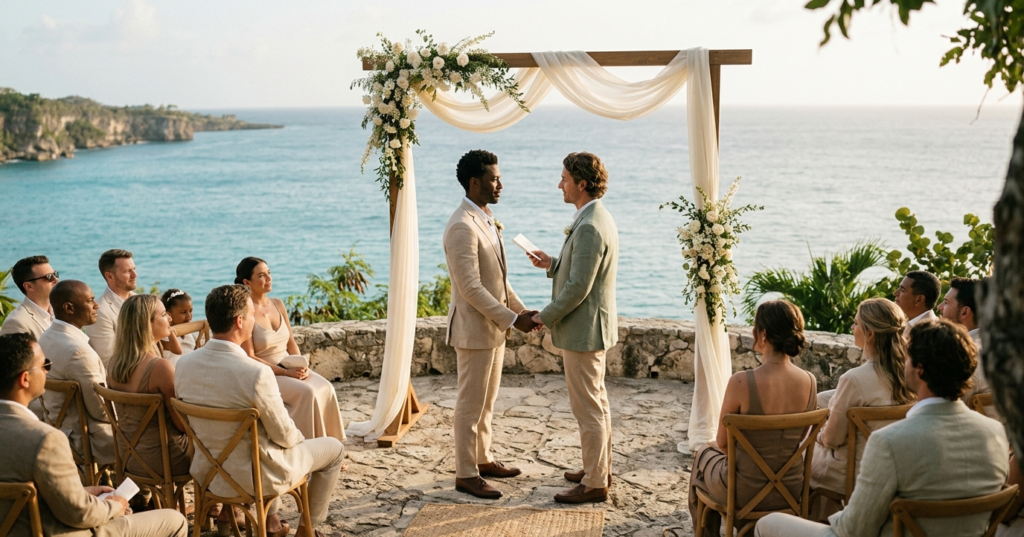
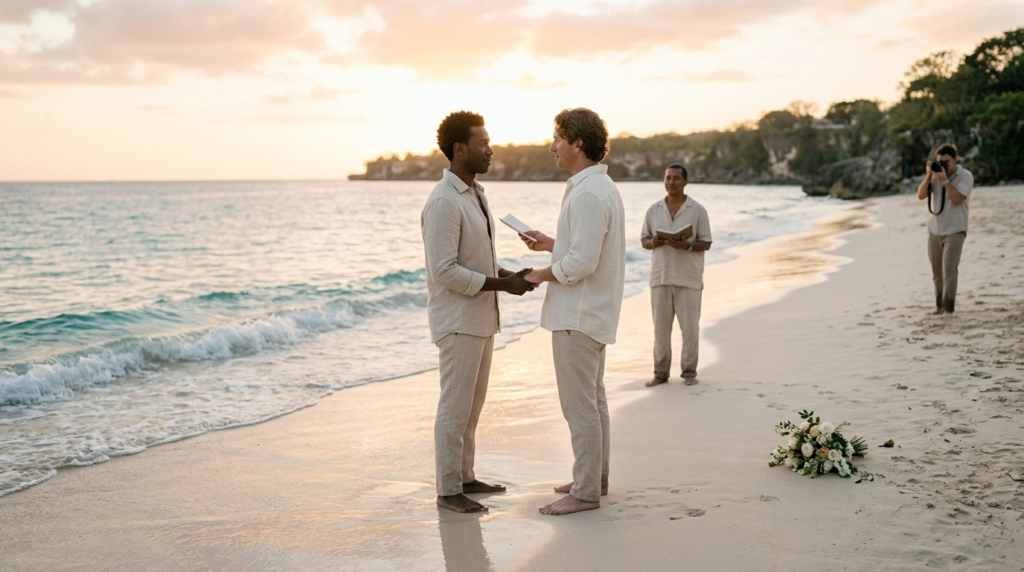
A micro-wedding is a small, fully planned celebration, usually 10 to 30 guests, with a ceremony, dinner, and the details that matter most to you. An elopement is even smaller: just the two of you, or a handful of loved ones, focused almost entirely on the vows. Both are ideal for a destination celebration because a smaller guest list means more of your budget goes toward the experience instead of the headcount.
Why Smaller Weddings Are Having a Moment
According to The Knot Real Weddings Study, the average U.S. wedding has 117 guests. International destination weddings average far fewer, at about 69. That gap tells a story. When couples choose to travel, they naturally edit the list down to the people who matter most.
In my consultations, I hear the same themes again and again. Couples want a day that feels personal, not performative. They want to actually talk to every guest. And many would rather put money toward a beautiful setting, a great meal, and a honeymoon than toward feeding 150 people.
I recently met with a couple who started out picturing a wedding in Greece with about ten people, then explored a Mexico celebration with 20 to 25. Wherever they land, one thing never changed: it has to stay small. That instinct is exactly what a micro-wedding is built for.
Micro-Wedding vs. Elopement: What’s the Difference?
| Elopement | Micro-Wedding | |
| Guest count | 2 to about 10 | About 10 to 30 |
| Focus | The vows and the moment | Ceremony plus a shared celebration |
| Typical inclusions | Officiant, setup, photographer, bouquet, toast | Ceremony, cocktail hour, private dinner or reception, music, décor |
| Planning time | A few months | 9 to 18 months for destinations |
| Best for | Couples who want privacy and simplicity | Couples who want their closest people there |
What a Destination Micro-Wedding Really Costs
Every resort and country prices differently, but here is how the money usually breaks down:
- Ceremony package. Many all-inclusive resorts offer elopement and small-group packages, and some include a basic package when your group books enough rooms.
- Add-ons. Private dinners, cocktail hours, upgraded décor, music, and premium venues are often priced per person or per hour. This is where budgets grow, so plan for them up front.
- Travel. Flights and rooms for the two of you, plus what guests will reasonably spend. A smaller list makes it easier to choose a place your loved ones can actually afford.
- Planning support. A specialist who negotiates room blocks, compares group, tour operator, and public rates, and manages guest logistics saves time and often money.
My advice: decide your total number first, then decide whether that number includes your own flights. That one conversation prevents most budget surprises later.
Destinations That Shine for Small Celebrations
- Mexican Caribbean (Cancún, Costa Mujeres, Riviera Maya). Easy flights from most U.S. cities, à la carte wedding menus, and resorts with semi-private venues perfect for 20 guests.
- Puerto Vallarta, Mexico. Warm, welcoming, and one of the most LGBTQ+-affirming destinations in the region, with lovely elopement and small-group packages.
- Curaçao and Aruba. Calm water, colorful scenery, and an easygoing pace for intimate beachfront ceremonies.
- Greece and Spain. Ideal for an elopement or a group of ten. Think whitewashed terraces, historic courtyards, and long dinners under the stars.
- Japan. A breathtaking choice for elopements, from garden ceremonies to autumn foliage and cherry blossom season.
For LGBTQ+ couples, I screen every destination and resort before recommending it. A welcoming atmosphere isn’t a bonus. It’s a requirement.
How to Plan Your Micro-Wedding or Elopement
- 1. Set your guest list first. Your number shapes the destination, the venue, and the budget.
- 2. Pick your season and two or three dates. Resorts book wedding times quickly, so alternate dates give you flexibility. Weekdays are often less expensive.
- 3. Choose the experience, then the resort. Sunset ceremony? Covered venue? Adults-only? Let your must-haves narrow the list.
- 4. Secure the date and the room block. Locking these in early protects your rates and gives guests time to plan.
- 5. Communicate early. Save-the-dates, a wedding website, and passport reminders keep your small group on track.
- 6. Add the honeymoon. Many couples stay on after guests leave, or continue to a second destination.
The Bottom Line
Going small doesn’t mean settling. It means choosing what matters most: your people, your setting, and a day that feels like you. Whether it’s just the two of you on a quiet beach or 25 loved ones gathered for dinner by the sea, a micro-wedding or elopement can be the most meaningful celebration of all.
Ready to start planning? Book a complimentary Destination Wedding Discovery Consultation with Illusionz Destination Weddings at illusionzdestinationweddings.com. I plan weddings, vow renewals, elopements, honeymoons, babymoons, and anniversaries for every couple and every love.
Frequently Asked Questions
How many guests is a micro-wedding?
Most micro-weddings have between 10 and 30 guests. Anything smaller is usually considered an elopement.
Is an elopement the same as a micro-wedding?
No. An elopement centers on the couple and the vows, with very few or no guests. A micro-wedding adds a small group and a shared celebration, like a dinner or reception.
Is a destination micro-wedding cheaper than a traditional wedding?
Often, yes, because fewer guests means lower per-person costs. Upgrades like private receptions and premium venues can add up, so plan your must-haves first.
How far ahead should I plan a destination elopement?
A simple elopement can come together in a few months. For a micro-wedding with guests, plan 9 to 18 months ahead to secure your date and room block.
Can LGBTQ+ couples have a destination micro-wedding?
Absolutely. As an LGBTQ+ Romance Travel Specialist and LGBTQ+ Wedding Certified planner, I help couples choose destinations and resorts that are genuinely welcoming.
Do I need a wedding planner for an elopement?
It isn’t required, but a specialist handles resort coordination, paperwork, travel, and guest logistics, so you can focus on each other.
Source
The Knot Real Weddings Study (2025 weddings): theknot.com/content/average-wedding-guest-list-size